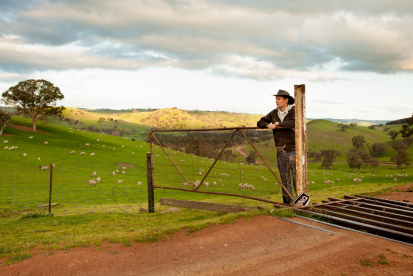
What will the successful family farm look like in 2040?
The future of the family farm depends on more than new technology. Strong finances, healthy family relationships and early succession planning all play a part in preparing the business for the next generation.
In the 100th episode of Boots Off Log On!, David Egerton-Warburton is joined by Dr Mike Stevens AM from Meridian Agriculture, Paul McKenzie from Agrarian Management and Ben Law from AgriCoach.
Their conversation explores a question facing many farming families: how do you build a business that can support the family today and create opportunities for tomorrow?
1. Strong finances and family relationships matter equally
A profitable business can still face difficulties if family members have different expectations. Equally, strong relationships cannot overcome a business that lacks financial viability.
Both the business and the family need attention. This means making time to discuss:
- What each generation wants from the business
- Who is responsible for making decisions
- What the farm can realistically provide
- How major commitments will affect the whole family
Involving the next generation in borrowing and expansion decisions is particularly important when they may ultimately be responsible for repaying the debt.
Clear roles, regular meetings and appropriate advisers can help families work through these decisions together.
2. Start planning before you have all the answers
You do not need to know which children want to farm before you begin preparing for succession.
Early planning can include building assets, discussing expectations and helping children develop skills. These preparations give families more options as their circumstances and goals become clearer.
“So it might be too early to start the succession plan. Never too early to plan for succession.”
Dr Mike Stevens AM
Succession is a process that begins well before ownership changes hands. Starting early gives families time to prepare financially and practise working together before the handover.
3. Give the next generation room to lead
Learning how to manage crops, livestock and machinery is only part of preparing to run a farm business.
The next generation also needs opportunities to develop financial understanding, leadership skills and confidence in making decisions.
That preparation might include:
- Education and training relevant to the business
- Experience outside the family farm to gain different skills and perspectives
- Gradually increasing responsibility for planning, budgets and business decisions
“They focus on the levers rather than the tools.”
Paul McKenzie
Combining fresh ideas with the older generation’s experience can strengthen the business. It also gives both generations time to build confidence in the transition, looking beyond day-to-day operations to focus on strategy and business decisions.
4. Build wealth beyond the farm
When most family wealth is tied up in farming assets, providing for retirement and inheritance can become more difficult.
Off-farm assets can create flexibility. They may help support the older generation’s retirement and provide for non-farming children without relying entirely on the farming business.
Building those assets takes time, which is another reason to begin planning early. It allows families to consider how investment decisions today could support different family members in the future.
5. Know what the business can support
A valuable property does not tell the whole story of a farm’s financial position.
Before making decisions about expansion, retirement or succession, families need to understand:
- Profitability: Is the business generating a sustainable profit?
- Cashflow: Can it meet payments and commitments when they fall due?
- Debt: What repayments will the current and next generations need to manage?
- Future obligations: What provision is needed for retirement, care and other commitments?
“They know their numbers and they surround themselves with the right people.”
Ben Law
That understanding also helps families ask a difficult question: does the farm still serve the needs of the family?
For some, continuing the business will remain the right path. For others, selling part or all of the farm may offer a better financial and personal outcome.
6. Be clear about fairness and expectations
Keeping a viable farm intact while providing equal inheritances may not be possible.
Fairness and equality can mean different things to different family members. These differences need to be discussed, rather than left for everyone to interpret themselves.
Including both farming and non-farming children helps everyone understand:
- What the business can realistically provide
- The responsibilities attached to different assets
- Why particular decisions are being considered
Clear explanations and early conversations give family members time to understand the options and establish realistic expectations.
What conversations could your family start now?
You do not need every answer to begin preparing for the future. A useful starting point is understanding:
- What does each generation want?
- What can the business afford?
- How is the next generation being prepared?
- Which expectations have not yet been discussed?
The successful family farm of 2040 will be shaped by decisions made well before then and will think and operate more strategically. Business decisions will be moving beyond the kitchen table, with families thinking like asset managers, entrepreneurs and high-performing teams. Clear roles, shared goals and long-term planning will help them build a business that supports the family across generations.
Disclaimer
The information provided in this article is general in nature and does not in any way constitute financial, investment, accounting, tax, or legal advice. You should always consult with a relevantly qualified and licensed professionals for advice tailored to your specific situation and requirements. The opinions expressed are our own and do not reflect those of our sponsors or any third parties.